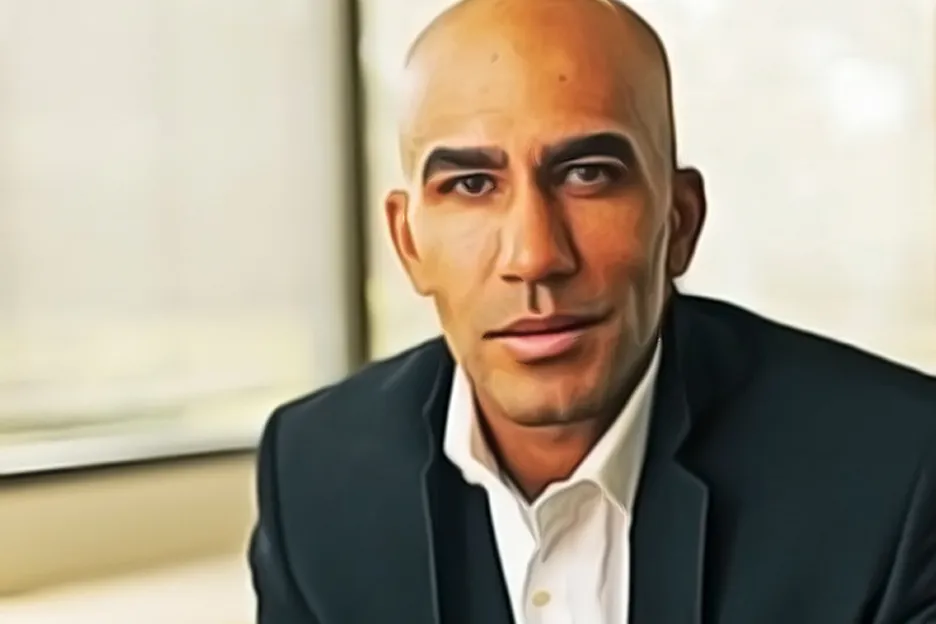
As Las Vegas begins to reopen its iconic casinos, poker pro and former MIT blackjack team member Andy Bloch is raising concerns about a potential resurgence of COVID-19 cases. In a recent Facebook post, the 2012 WSOP bracelet winner and longtime Vegas resident shared his concerns, citing data and charts that point to an alarming trend in Nevada’s case numbers.
Data-Backed Concerns
Bloch, who has amassed over $5 million in poker tournament winnings, pointed out that the seven-day average of new COVID-19 cases in Nevada has been steadily increasing since early June. He attributes the spike in part to the phased reopening of businesses, starting with restaurants and now including high-traffic venues like casinos.
“Get ready for another COVID-19 wave in Nevada,” Bloch warned. “The weekly average number of new cases per day has been rising since June 1, erasing the downswing from the prior week.”
While he initially hoped the uptick in reported cases was due to increased testing, Bloch noted that the positivity rate, as well as the number of hospitalizations and deaths, have also been on the rise.
A Cautious Outlook for Vegas
Bloch’s warning comes at a time when many are eager to return to normal life, particularly in a city where tourism and gambling are economic lifelines. However, the veteran poker pro suggests that relaxing social distancing too soon, especially in a high-contact industry like gaming, could come at a steep cost.
While Nevada is not yet seeing the same dramatic spikes as other states, Bloch highlighted the importance of not becoming complacent. “A few days ago, I was hoping that the rise in cases was due to increased testing,” he wrote. “But the numbers are showing a deeper problem.”
Selling Up and Speaking Out
Interestingly, Bloch’s post coincides with reports that he has put his $8 million Las Vegas home on the market, prompting speculation about whether he’s preparing for a long-term exit from the city.
With Las Vegas attempting to balance economic recovery and public health, voices like Bloch’s underscore the challenges ahead. His data-driven concerns may not be welcomed by all, but they serve as a timely reminder: the pandemic isn’t over yet.