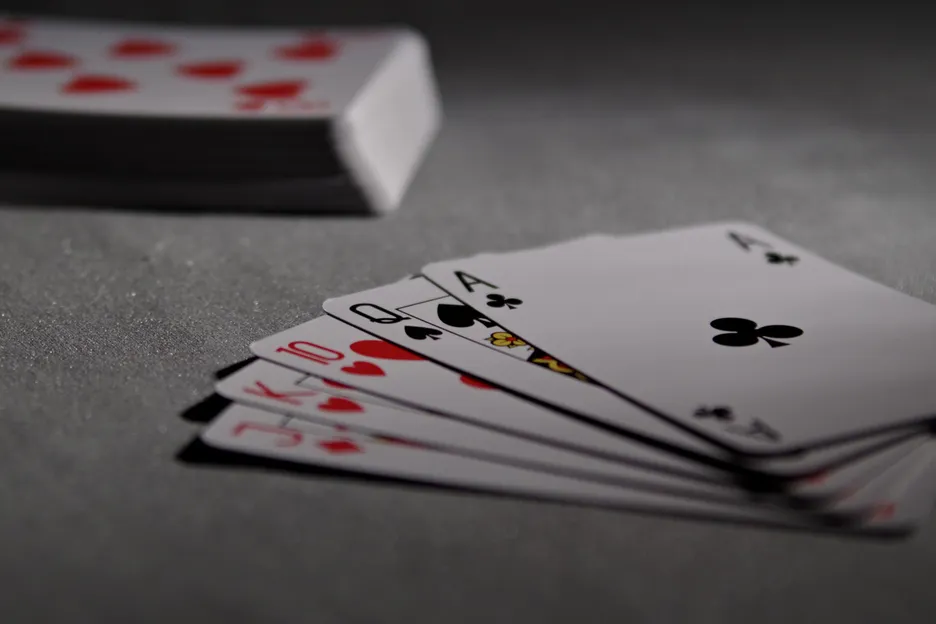
A coin flip in poker refers to a situation where two players are all-in, and the hands they have are statistically very close in strength, giving both players approximately a 50% chance of winning. This term is commonly used in tournament poker, where players often face these high-stakes decisions under pressure. While it’s not an exact 50/50 every time, the probability for both hands is close enough to warrant the comparison.
Examples of Coin Flip Hands:
-
AK vs. JJ: Ace-King is generally a slight underdog against pocket Jacks (about 46-47% to win vs 53-54%), making it a classic example of a coin flip.
-
AQs vs. 99: Ace-Queen suited is generally the underdog to a pocket pair of nines (about 52.49% vs 47.51%).
-
A10s vs. 33: This hand is one of the closest to a true 50/50 (49.99% vs. 50.01%).
-
A10s vs. QJs: A true coin flip, where the hands are close to even, especially with both suited and the flop potentially altering the odds.
How to Play Coin Flip Situations Well:
-
Be the First to Shove: Moving all-in first gives you fold equity (the chance to win by forcing the opponent to fold). This puts pressure on your opponent to decide, and may allow you to win without a showdown.
-
Avoid Coin Flips with Dominated Hands: If your hand is likely to be dominated (e.g., facing pocket aces with pocket kings), avoid going all-in. Some hands, like small pocket pairs, are often a bad idea to shove with if you suspect you’re behind.
-
Avoid Unnecessary Coin Flips: You don’t have to engage in coin flips every time. It might be better to fold and wait for a stronger situation, especially if you’re in a soft game or the blind levels are low.
Coin Flip in Tournament Strategy:
Coin flips are often a part of tournament poker because of the increasing blind levels. Players can find themselves forced to make high-risk decisions when their chip stack is getting low. In these cases, a coin flip might be necessary, but it should always be calculated. Knowing when to take the risk is part of the skill in tournament poker.