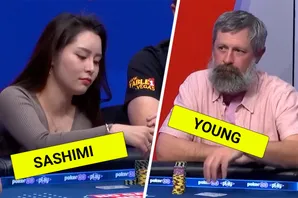
Continuation betting (c-betting) is a key strategy in poker, especially in tournament play, but using it effectively requires understanding the context of each situation. Chris Moorman breaks down the dos and don’ts of c-betting to help players maximize its potential.
Key Points on C-Betting
-
Heads-Up Pots and Position
-
Early Position: In early position, you can continuation bet a higher percentage of the time because your range tends to be stronger.
-
Heads-Up vs. Big Blind: In a heads-up situation against the big blind, it’s profitable to continuation bet almost 100% of the time, but this requires adjusting based on the opponent’s skill level. Against better players, be cautious of check-raises that can put your range in a tough spot.
-
-
Consider Board Texture and Opponent Ranges
-
When facing a flat caller or playing a multi-way pot, you need to think about the board texture and whether it favors your range or your opponent’s range. Not every board is a good one to continuation bet on, especially in these situations.
-
Turn Cards and Semi-Bluffs: Some turn cards bring you equity, allowing you to barrel as a semi-bluff. You also want to consider whether you block potential floats (like nut backdoor flush draws) or need to protect your hand.
-
Effective Stack Sizes: Always think about stack sizes on future streets (turn and river). If you’re called on the flop, will you have enough stack depth to continue your strategy?
-
-
Adjust for Multi-Way Pots
-
Lower Continuation Betting Percentage: In multi-way pots, reduce your continuation betting frequency significantly. You need to be more selective with when to c-bet.
-
Smaller Bet Sizing: In multi-way pots, the bet sizing should be smaller. A typical 75% pot bet in a heads-up pot may not be appropriate in a four-way pot.
-
-
Position Relative to Opponents
-
The larger the positional gap between where you raised from and where you were called from, the more likely you can continue betting. For example, a raise from UTG (Under The Gun) against a call from the button still warrants a continuation bet most of the time, but a cutoff vs. button situation requires more checking, check-calling, and raising because the button has positional advantage.
-
UTG Range: A strong UTG range neutralizes some of the positional advantages opponents may have, but it’s crucial to adjust to the board. If the board is particularly bad for your UTG range, a 100% check range may be the optimal play.
-
-
Plan Ahead for Future Streets
-
Continuation betting is not just about the current street; it’s about setting up future streets. Don’t fire out a bet without thinking about how the hand might play out. Consider what hands you are trying to represent and what your goals are—whether you’re trying to fold out weaker hands or extract value from stronger ones.
-
Sizing: Choose your bet size carefully. The right size will depend on the board texture and what you’re trying to achieve with the bet (bluffing, value, etc.).
-
Conclusion
C-betting is a powerful tool when used wisely, but it’s important to adapt to the situation and the players you are facing. By thinking ahead, adjusting based on position and board texture, and considering stack sizes, you can make continuation betting a profitable part of your poker strategy. Always assess the situation and avoid firing off a c-bet without considering the broader context of the hand.